Blog
Europe Trip Planning Guide
Plan a multi-city Europe trip without overpacking your itinerary. Learn how to build smarter routes, manage transportation, control costs, and enjoy more of every destination.

Planning a Europe trip is exciting because every country offers different cultures, cuisines, architecture, and experiences. However, many travellers make the mistake of trying to visit too many destinations in a limited amount of time.
The secret to an unforgettable Europe trip is not seeing everything—it is building a route that allows you to enjoy each destination without spending most of your vacation in transit.
This guide will help you create a balanced Europe itinerary, manage your budget, and avoid travel burnout.
Step 1: Decide Which Regions to Visit
Europe is incredibly diverse. Start by deciding which region matches your interests.
Western Europe
Popular for:
- Paris
- Amsterdam
- Brussels
- London

Pros
- Excellent transport
- Iconic attractions
Cons
- Higher prices
- Popular tourist crowds
Southern Europe
Popular for:
- Italy
- Spain
- Portugal
- Greece

Pros
- Great weather
- Coastal destinations
Cons
- Busy summer season
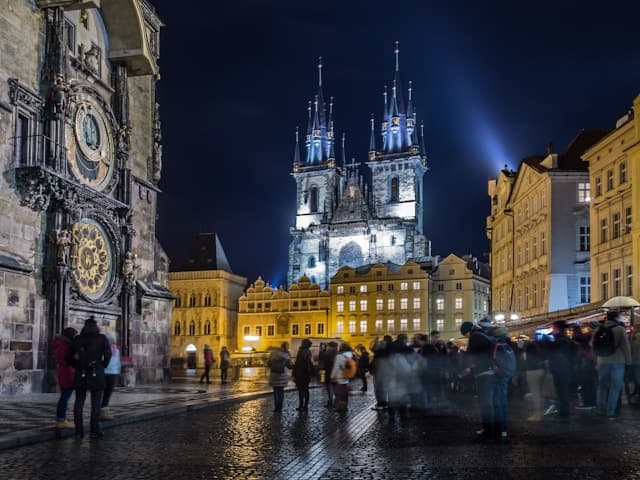
Central Europe
Popular for:
- Prague
- Vienna
- Budapest
Pros
- Strong value for money
- Rich history
Cons
- Can require more transit planning
Eastern Europe
Popular for:
- Poland
- Romania
- Croatia

Pros
- Lower costs
- Less crowded
Cons
- Fewer direct connections in some areas
Step 2: Determine Your Trip Length
Your available time should determine how many cities you visit.
- 1 week: Focus on 2 cities
- 2 weeks: Visit 3 to 5 destinations
- 3 weeks or more: Explore an entire region
- Avoid changing hotels every day
- Allow time for rest and flexibility
Trying to visit too many countries often leads to rushed experiences and unnecessary stress.
Step 3: Set Your Europe Budget
Create a realistic budget before booking flights or accommodation.
Sample Mid-Range Budget (Per Person)
| Category | Approximate Cost |
|---|---|
| Flights | EUR500 - EUR1,200 |
| Accommodation | EUR50 - EUR200 per night |
| Food | EUR20 - EUR80 per day |
| Transport | EUR10 - EUR50 per day |
| Activities | EUR10 - EUR100 per day |
Step 4: Build an Efficient Route
One of the best ways to save time and money is minimizing backtracking.
Example Route
- London
- Paris
- Amsterdam
- Berlin
- Prague
Moving in a logical geographic direction reduces travel fatigue and maximizes sightseeing time.
Step 5: Understand European Transportation
High-Speed Trains
Ideal for major city-to-city travel.
Budget Airlines
Useful for longer distances across Europe.
Local Transit
Metro, buses, and trams make city exploration easy.
Step 6: Book Accommodation Strategically
- Stay near train stations
- Prioritize public transport access
- Compare city centre versus suburban locations
- Review check-in and check-out policies
- Consider airport accessibility
Step 7: Plan Activities
Must-See Activities
- Eiffel Tower
- Colosseum
- Sagrada Familia
- Anne Frank House
Nice-To-Have Activities
- Local markets
- Food tours
- Hidden neighborhoods
- Scenic viewpoints
Step 8: Prepare Travel Documents
- Passport
- Visas (if applicable)
- Travel insurance
- Hotel confirmations
- Transport bookings
- Emergency contacts
Step 9: Pack Light
- Carry-on friendly luggage
- Layered clothing
- Comfortable walking shoes
- Universal power adapter
- Minimal duplicate items
Packing light makes train travel, city transfers, and airport connections significantly easier.
Step 10: Stay Organised
- Flights
- Hotels
- Rail tickets
- Activities
- Budgets
- Packing lists
- Travel documents
Keeping everything in one place reduces stress and helps you focus on enjoying your journey.
Final Thoughts
Europe offers incredible diversity, from historic cities and coastal escapes to mountain villages and world-famous cultural landmarks.
The key to a successful Europe trip is balancing exploration with realistic travel times. By choosing destinations carefully, building efficient routes, and avoiding the temptation to visit too many places, you can create a memorable journey that feels exciting rather than exhausting.
Plan Your Europe Trip with VoyageCompass
VoyageCompass helps travellers organise every aspect of their journey in one place:
- Trip Planning
- Budget Tracking
- Route Optimisation
- Activity Management
- Packing Assistance
- Travel Readiness Monitoring
VoyageCompass
Your Compass for Every Journey