Blog
Australia Trip Planning Guide
Plan an unforgettable Australia adventure without spending half your trip in transit. Learn how to choose destinations, build efficient routes, manage transportation, and experience more of Australia's incredible diversity.

Australia is one of the most rewarding travel destinations in the world. From vibrant coastal cities and tropical reefs to ancient deserts and rugged national parks, there is an incredible amount to experience.
However, Australia's enormous size surprises many first-time visitors. Distances between major attractions can be far greater than expected, making route planning one of the most important parts of building a successful trip.
This guide will help you choose the right destinations, build an efficient itinerary, manage your budget, and avoid spending too much of your holiday in airports and transit.
Step 1: Decide Which Parts of Australia to Visit
Australia is vast. Rather than trying to see everything in one trip, focus on the regions that best match your interests.
East Coast
Popular for:
- Sydney
- Brisbane
- Gold Coast
- Cairns

Pros
- Most iconic attractions
- Excellent tourism infrastructure
Cons
- Popular and busy during peak seasons
Southern Australia
Popular for:
- Melbourne
- Great Ocean Road
- Adelaide

Pros
- Food and culture
- Scenic coastal drives
Cons
- Long distances between destinations
Red Centre
Popular for:
- Uluru
- Kings Canyon
- Outback adventures

Pros
- Unique Australian experiences
Cons
- Requires additional flights and planning
Western Australia
Popular for:
- Perth
- Margaret River
- Ningaloo Reef
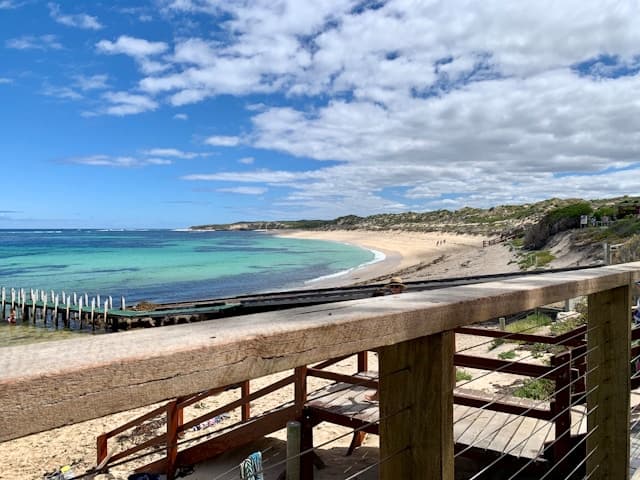
Pros
- Less crowded
- Incredible natural beauty
Cons
- Far from eastern cities
Step 2: Determine Your Trip Length
The amount of time available should guide the number of destinations you visit.
- 1 week: Focus on Sydney and nearby destinations
- 2 weeks: Sydney, Melbourne, and Great Ocean Road
- 3 weeks: Add Cairns or Uluru
- 1 month or more: Explore multiple regions
- Avoid changing hotels every day
Seeing fewer places often results in a much more enjoyable trip.
Step 3: Set Your Australia Budget
Australia can be expensive, so creating a realistic budget before booking is essential.
Sample Mid-Range Budget (Per Person)
| Category | Approximate Cost |
|---|---|
| Flights | AUD500 - AUD2,000 |
| Accommodation | AUD80 - AUD300 per night |
| Food | AUD30 - AUD100 per day |
| Transport | AUD15 - AUD80 per day |
| Activities | AUD20 - AUD200 per day |
Step 4: Build a Realistic Route
Australia's size means route planning is critical.
Example Route
- Sydney
- Melbourne
- Great Ocean Road
- Cairns
- Great Barrier Reef
Minimizing unnecessary flights saves both time and money.
Step 5: Understand Australian Transportation
Domestic Flights
Essential for covering Australia's vast distances.
Road Trips
Ideal for coastal routes and regional exploration.
Public Transport
Excellent in major cities such as Sydney and Melbourne.
Step 6: Book Accommodation Early
- Stay near major attractions
- Consider airport access
- Book early during school holidays
- Compare hotels and apartments
- Check parking availability
Step 7: Plan Activities
Must-See Activities
- Sydney Opera House
- Great Barrier Reef
- Uluru
- Great Ocean Road
Nice-To-Have Activities
- Wine regions
- Wildlife encounters
- Surf lessons
- National parks
Step 8: Prepare Travel Documents
- Passport
- Australian visa or ETA
- Travel insurance
- Accommodation confirmations
- Flight bookings
- Emergency contacts
Step 9: Pack for Different Climates
- Lightweight clothing
- Sun protection
- Comfortable walking shoes
- Swimwear
- Weather-appropriate layers
Australia's climate varies dramatically between regions and seasons, so pack accordingly.
Step 10: Stay Organised
- Flights
- Hotels
- Road trip plans
- Activities
- Budgets
- Packing lists
- Travel documents
Keeping everything organised in one place reduces stress and ensures nothing important gets forgotten.
Final Thoughts
Australia is one of the world's most diverse travel destinations, offering vibrant cities, world-famous beaches, unique wildlife, ancient landscapes, and unforgettable road trips.
The key to a successful Australia trip is accepting that you cannot see everything in one visit. By focusing on a few regions, building efficient routes, and allowing time to enjoy each destination, you'll create a far more rewarding experience.
Plan Your Australia Trip with VoyageCompass
VoyageCompass helps travellers organise every aspect of their journey in one place:
- Trip Planning
- Budget Tracking
- Route Optimisation
- Activity Management
- Packing Assistance
- Travel Readiness Monitoring
VoyageCompass
Your Compass for Every Journey